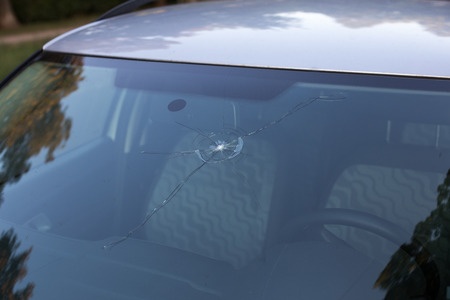
One of the downsides to having a
vehicle you love and want to take care of is how often accidents happen. We’re
specifically thinking about how often rocks fly up from a vehicle in front of
you on the highway and put an unfortunate chip in your windshield. It happens,
but what do you do when you either have too many, they’re in your line of
sight, or if the whole thing is damaged beyond repair?
Insurance companies occasionally make demands that you may not agree with, but one of the best perks of living in Minnesota is a law that requires the vehicle owner’s explicit approval to replace OEM parts with Aftermarket ones. As an auto body repair facility, we don’t take a stance against or for either OEM or Aftermarket ones, but we will tell you the difference so you can make an informed decision as a consumer.
An Aftermarket windshield has many pros and cons just as an OEM one does. They meet the same requirements that OEM ones do for safety standards dictated by the Department of Transportation. This is often the more cost-effective option when replacing a windshield and are easily attainable. The windshield is a safety-related part, as it structurally supports your vehicle. Due to this, and the fact that aftermarket parts often differ in slight ways, you need to be entirely sure when selecting your glass. A very attentive vehicle owner may notice minimal differences in color, waves and the unfortunate situation of leaking, though this is the exception not a rule.
OEM windshields are identical to the windshield your vehicle came with when it was first manufactured. These windshields have their own list of pros and cons, the largest and possibly only con being the expense. A brand new windshield from your dealership will be much more expensive than an aftermarket option, and may still not be from the same manufacturer as your original piece of glass as most vehicle manufacturers sublet out their glass production.
It is important to be informed before making any decisions involving your vehicle, especially when it comes to a piece as important as the windshield. In the event your insurance company denies an OEM part and you feel strongly about it, most companies can find a way to supply you with the OEM part if you pay the difference in price. We can steer you in the right direction should you need it! If you have any questions about which type of part should be installed on your vehicle, or which company we recommend for windshield install/repair, you can always reach out to one of our employees. We are always here to help!
Insurance companies occasionally make demands that you may not agree with, but one of the best perks of living in Minnesota is a law that requires the vehicle owner’s explicit approval to replace OEM parts with Aftermarket ones. As an auto body repair facility, we don’t take a stance against or for either OEM or Aftermarket ones, but we will tell you the difference so you can make an informed decision as a consumer.
An Aftermarket windshield has many pros and cons just as an OEM one does. They meet the same requirements that OEM ones do for safety standards dictated by the Department of Transportation. This is often the more cost-effective option when replacing a windshield and are easily attainable. The windshield is a safety-related part, as it structurally supports your vehicle. Due to this, and the fact that aftermarket parts often differ in slight ways, you need to be entirely sure when selecting your glass. A very attentive vehicle owner may notice minimal differences in color, waves and the unfortunate situation of leaking, though this is the exception not a rule.
OEM windshields are identical to the windshield your vehicle came with when it was first manufactured. These windshields have their own list of pros and cons, the largest and possibly only con being the expense. A brand new windshield from your dealership will be much more expensive than an aftermarket option, and may still not be from the same manufacturer as your original piece of glass as most vehicle manufacturers sublet out their glass production.
It is important to be informed before making any decisions involving your vehicle, especially when it comes to a piece as important as the windshield. In the event your insurance company denies an OEM part and you feel strongly about it, most companies can find a way to supply you with the OEM part if you pay the difference in price. We can steer you in the right direction should you need it! If you have any questions about which type of part should be installed on your vehicle, or which company we recommend for windshield install/repair, you can always reach out to one of our employees. We are always here to help!


