Showing posts with label collision repair. Show all posts

Monday, January 20, 2020

It's Not Like The Old Days


Today in auto body, we are faced with more electronics and fluff than ever. Technology advancements have created safer modes of transportation, often edging into luxurious high-tech heaps of steel. This shows no signs of stopping, which has created a huge onslaught of misconceptions when it comes to a “typical bumper job.” There are no typical jobs anymore. Gone are the days of a one day turn around, dropping your car off in the morning for a little repair and picking it up that afternoon is no longer feasible.

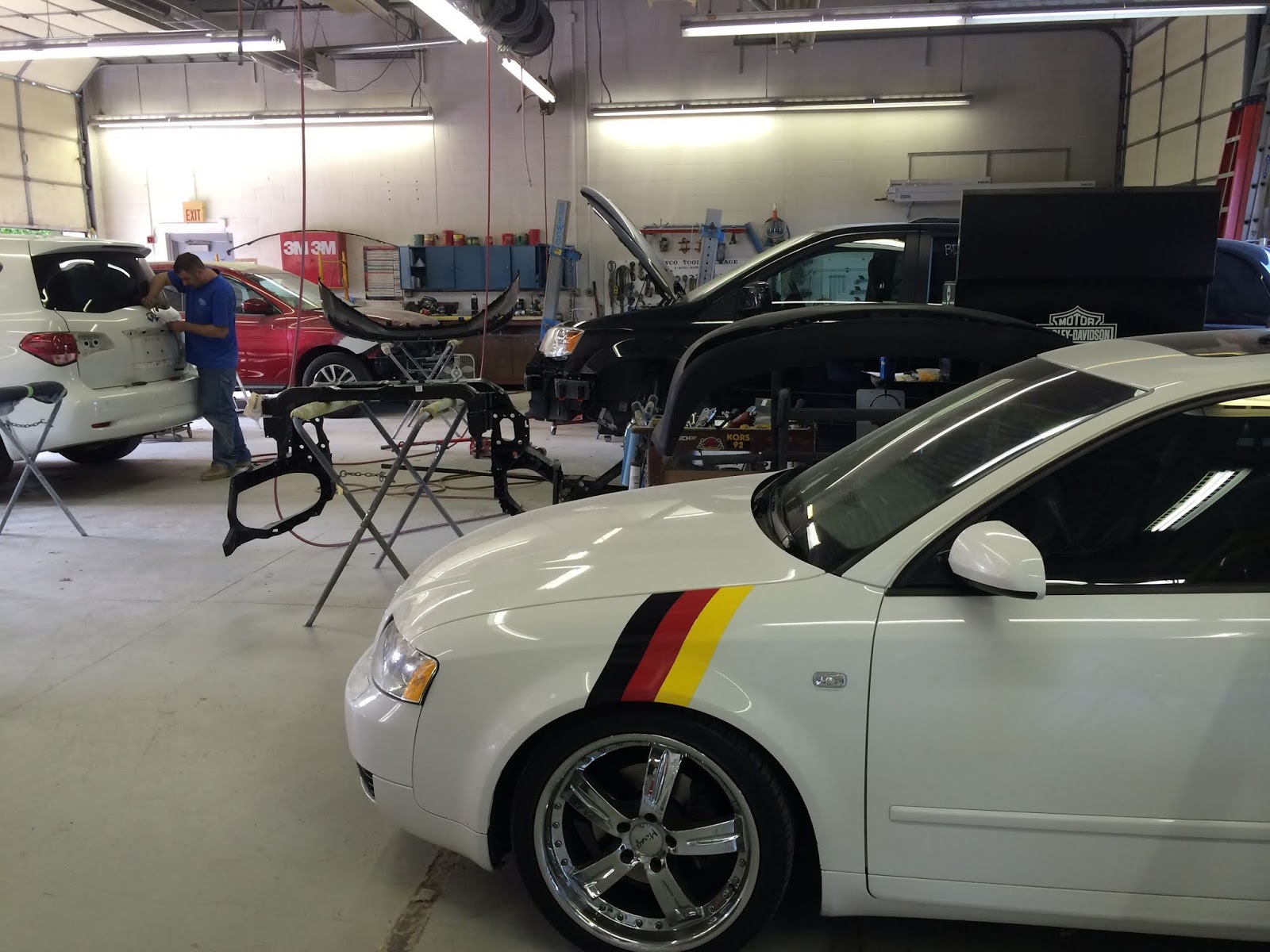
Due to the intelligence we are faced with each passing year, we are required to update our repair process. The downside this has for our customers is that the length of repairs for even the smallest jobs has increased. After initial drop off, we need to perform a full disassembly of the vehicle. We remove all parts from the affected area, which often requires us to unplug sensors and other electronics. After the tear down is complete, we can create a complete blueprint of the damage to your vehicle and have a full assessment ready for you or your insurance. This process alone can take hours and is all dependent on the extent of the damage and the complexity of the systems in play.

Once we have your approval to begin repairs, we will assess mechanical requirements of the vehicle. This is when we note any sensors, cameras or other electronics that may require recalibration before being roadworthy. When we’ve established any items required, we get to the meat of the repair, the body work. We get the parts painted, straighten any frame damage and anything else required to get your vehicle back in shape.

When our technicians have completed the repair of parts, and all parts are painted, they reassemble the vehicle. We then put our information gathered during the blueprint for mechanical work to the test. We recalibrate any cameras, sensors, or other systems in the vehicle and scan for any possible code errors. This will tell us if any of the damage to your vehicle is still hiding within the electronic systems of your vehicle, which allows things like your airbags to deploy at the proper time. A step as important as this cannot be overlooked, and we attempt to do it in a quick efficient manner. Sometimes, computers get the best of us, too.

Our last step to a repair is to quality check your vehicle. We have staff check all aspects, things like the paint match, headlights, blinkers and windows are looked over now to ensure they’re in proper working condition. With each vehicle that comes through our doors, we take our time to ensure that all manufactured requirements are met. This means that we are combing over our work, the electric systems, paint match and so much more.


Our goal, as always, is to make sure your vehicle gets returned to you in the condition it was prior to your accident. Sometimes that requires us to take our time and can result in longer than anticipated repair times. We aim to make sure you are safe, and happy. Let us know if you have any questions about the repair process, or any time stipulations you may have, we do our best to accommodate all our customers!

Tuesday, December 17, 2019

My Insurance Quoted Me Less

In our business there’s a lot of moving factors. It’s not always possible to predict how long the parts will take to get to the shop, when your adjuster can make it out to look at the vehicle, or how much money your insurance company will feel justifies the cost of the repair. Sometimes, your insurance company will write an estimate that’s below the price of the estimate you receive from our shop, or whichever body shop quoted you for repair. This can be alarming, but there’s no reason to worry. 

If you came to our shop and received a quote that was more costly than what your insurance offered, this likely due to a couple of different items. The first, is that your insurance company writes for what they can see. All initial estimates are written without the assumption that there are any damages above and beyond what can be seen by the eye. This is often not a full estimate, as there is likely damage behind what you can see and will require supplements or further billing to your insurance.

The second reason you may have a low estimate, is the type of parts your insurance company wrote your estimate for. Often times insurance companies will write estimates with used or recycled parts to save money. This can be negotiated, within reason. We are lucky to reside in a state that allows you to request your preferred parts be installed on your vehicle, depending on the year. Check your insurance policy and state laws to be sure.
 Another reason your insurance estimate may be lower than you’ve been quoted, is due to the rates that they are hourly paying for repair. In the state of Minnesota, for repairs that are going through insurance we must start at their rates, but we will attempt to supplement your insurance to secure what we require hourly for the repairs. If this doesn’t work, there may be some out of pocket cost to you, but there will always be a conversation before we charge you for anything. 

Occasionally your insurance estimate is less costly than ours could be due to the operations on your estimate. We aim to replace only what needs to be replaced, and to repair parts that are not damaged beyond repair. Often times, your initial estimate is written without the knowledge that parts are damaged beyond possibility of repair. In those cases, to protect and preserve the integrity of your vehicle, we will opt to replace instead of repair.  

Our goal is to repair your vehicle to pre accident condition. This is something we do every day, we have the experience to work with your insurance and take an unwanted stressful experience and turn it into something easy. We aim to do so while also keeping repairs at a cost your insurance agrees to. If you’ve received an estimate that is different than ours in anyway, please bring the estimate into our shop so we can negotiate and find a way to accomplish your repair!

Thursday, September 12, 2019

Aftermarket or OEM Windshield?


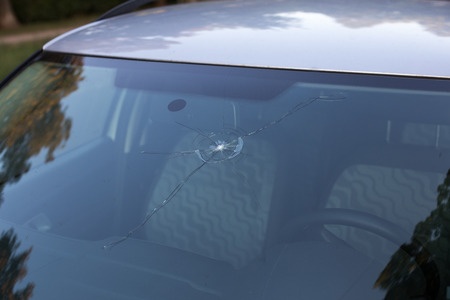
One of the downsides to having a vehicle you love and want to take care of is how often accidents happen. We’re specifically thinking about how often rocks fly up from a vehicle in front of you on the highway and put an unfortunate chip in your windshield. It happens, but what do you do when you either have too many, they’re in your line of sight, or if the whole thing is damaged beyond repair?

Insurance companies occasionally make demands that you may not agree with, but one of the best perks of living in Minnesota is a law that requires the vehicle owner’s explicit approval to replace OEM parts with Aftermarket ones. As an auto body repair facility, we don’t take a stance against or for either OEM or Aftermarket ones, but we will tell you the difference so you can make an informed decision as a consumer.

An Aftermarket windshield has many pros and cons just as an OEM one does. They meet the same requirements that OEM ones do for safety standards dictated by the Department of Transportation. This is often the more cost-effective option when replacing a windshield and are easily attainable. The windshield is a safety-related part, as it structurally supports your vehicle. Due to this, and the fact that aftermarket parts often differ in slight ways, you need to be entirely sure when selecting your glass. A very attentive vehicle owner may notice minimal differences in color, waves and the unfortunate situation of leaking, though this is the exception not a rule.

OEM windshields are identical to the windshield your vehicle came with when it was first manufactured. These windshields have their own list of pros and cons, the largest and possibly only con being the expense. A brand new windshield from your dealership will be much more expensive than an aftermarket option, and may still not be from the same manufacturer as your original piece of glass as most vehicle manufacturers sublet out their glass production.

It is important to be informed before making any decisions involving your vehicle, especially when it comes to a piece as important as the windshield. In the event your insurance company denies an OEM part and you feel strongly about it, most companies can find a way to supply you with the OEM part if you pay the difference in price. We can steer you in the right direction should you need it! If you have any questions about which type of part should be installed on your vehicle, or which company we recommend for windshield install/repair, you can always reach out to one of our employees. We are always here to help!


Friday, August 23, 2019

What Is PDR?


Fall is a wonderful time of the year, full of pretty colors, cooler temps, and lots of hail. Hail season lasts into the winter and gets us ready for our busy season. That being said, hail season can often be just as busy as the winter season, but offers an unpredictable flare to the year. When hail storms hit, all kinds of storm chasers come up from the south and set up shop in the cities. Those storm chasers perform a special kind of auto body repair called PDR, or paintless dent repair. Paintless dent repair is exactly as it sounds, these technicians, and some of our own, remove the dents in your vehicle without painting it. Sounds crazy, we know. 

PDR is a lot simpler than you’d imagine. Picture big bright lights, a disassembled vehicle, and little (sometimes large!) rubber mallets. Your PDR technician is actually using pressure from inside the panels of your vehicle to slowly pound them out, reforming the metal to its original shape. The transformation is incredible to watch, and we highly recommend checking YouTube for a severe hail repair! The reason you can perform PDR in hail dents is because the hail pieces leave ridgeless dents in the panels of your vehicle. Dents from things like backing into a pole or getting rear ended aren’t typically candidates for PDR as the paint has been pushed to the point of breaking. However, we can occasionally fix a dent via PDR even if it has a ridge, as long as the paint has not cracked at all! The beauty of having an auto body shop look over your vehicle and repair it is that we can work directly with your insurance on the damage caused by the storm!

We understand though, you may not have full coverage on your vehicle, may not have the time to drop off the vehicle, or you may just want to experiment yourself! There are certain things you can do at home to attempt to repair hail damage. Heat is one way to get the metal panels on your vehicle to flex and return to its preformed shape. By parking your vehicle in the sun, sometimes certain dents can pop out themselves. We’ve heard of people trying hot water methods and using their hair dryers as well. These are all great DIY techniques if you don’t mind some paint discoloration. The other option here would be to chill the dents, some people have been said to use dry ice. They circle the dent with a piece of dry ice, attempting to coax the dent out of the metal. All these techniques have seen varied results, and we do not recommend attempting to repair your vehicle untrained at home, unless you’re not worried about how the vehicle looks afterwards. Attempts to repair the vehicle yourself could result in voiding your warranty, or loss of insurance coverage for the hailstorm. 

Naturally, we suggest bringing your vehicle into your local body shop, which is hopefully ours! There is no way to guarantee that these home remedies will work for your vehicle, and we always have time to help! Whether you’re just coming in for an estimate, or coming in for repairs, we are here to try and solve your problems as best we can. 

Tuesday, July 9, 2019

In A Collision? What Are Your Rights?


We’ve said it before, and we’ll say it again, we are not your favorite group of people to see. We get it, who likes getting in an auto accident? Nobody comes to Oakdale Collision, throws open the doors and exclaims how excited they are about getting their car repaired. This is an inconvenience to you, your family, and your wallet. We want to make sure that before, during, and after this confusing time you know your rights as a consumer. 

                You have the right to pick where your car is repaired. This one baffles some people, because your insurance sometimes seems to omit this detail. Your insurance company has direct repair facilities it prefers to work with out of ease and contractual agreements holding the shop to certain rates. Occasionally, they will make recommendations to their clients where they should take their vehicles. This by no means requires you to use said body shop, however. You still have the option to get your vehicle repaired at whichever shop you prefer, regardless of where your insurance mentions. 


                You have the right to pick what kind of parts are used on your vehicle. This one can be a bit less clear, but you have a say in what kind of parts are put on your vehicle. There are typically three types of repair parts we could use; OEM, Non-OEM, or recycled parts. An OEM part is an “Original Equipment Manufacturer” part, meaning it was made by the manufacturer. A Non-OEM part is any part considered aftermarket, or made by someone other than the manufacturer, and a recycled part is exactly what the name suggests, recycled. Some insurance companies have you waive this right when you sign their policy statements, but for the most part you have the right to choose which type of part goes on your vehicle. 

                You have the right to a safely repaired vehicle. You can ask us any time about our processes, what we are certified in, and how we fix your vehicle. After the vehicle is finished, we will present you with an itemized copy of everything we did to your car. Our goal is always return your vehicle back to pre-accident condition, and that includes it being a safe vehicle to operate. 

                Our goal at Oakdale Collision is to build a relationship with our customers based on trust, and assurance that we are the very best at what we do. We know it’s true, and hope that one day you can see it too! If you need an estimate, need a repair, or just have some questions about what you should know as a customer, call us today! We’d be happy to help. 

Tuesday, May 21, 2019

Does It Really Take That Long?


           It used to be that we drove around in giant metal machines, operating purely on fuel and combustion. Things always change, and in today’s world you’re driving around in a high-tech computer. People still view their vehicles as a machine, but a car hasn’t been “just a machine” for the last fifty years! In 1968 Volkswagen introduced the first computer controlled function in a vehicle; the electronic fuel injector. This advancement in the car industry was huge! The ECU is now a standard seen in all vehicles, emerging in the 1960’s and still used today. By 1986 we had our first auto-driven cars, in 2017 Tesla introduced self driving semi-trucks, and today we’re looking at vehicles that are almost completely self-sufficient.


                This loose timeline is just that, very loose. Imagine all the advancements between the 60’s and today. Now imagine the advancements technicians have seen, working on these vehicles day in and day out. The industry now requires certified technicians, who have undergone training through each manufacturer in order to understand the innermost workings of these computers and the machine themselves. This is all great, because we want our technicians to be the best at what they do. When you put it all together though, what does that mean for you, the customer?
                Time. The biggest thing all these computers have changed during our repair process is time. We no longer have the ability to do one day bumper jobs, because that Audi A6 you drive has three sensors in the front bumper that allow you to feel a little bit safer in your car, but also require us to calibrate them if we remove or have to adjust the bumper. Every vehicle newer than 2008 is equipped with sensors in the passenger seat that signal occupancy and when to deploy airbags in the event of a crash, and has to be reset each time you’re in any minor collision. These sensors are a wonderful safety feature, but in that effort to ensure safety we’re also looking at additional time in a simple repair.

                We do our best to get your vehicles returned to pre-accident condition as soon as we can, but we also want your vehicle to be safe, efficient, and in proper working order before we return the vehicle to you. So when you get frustrated at how long your repairs are taking, consider the type of vehicle you drive, and the computer systems you use each day. The more complicated and high tech your vehicle is, the longer the repairs will take. So, yes, it does take that long, but rest assured that we are doing everything in our power to get your vehicle repaired and back to you safe and sound.

Tuesday, April 23, 2019

Negotiating A Total Loss With Insurance


We can’t always help what situations we end up in, no matter how hard we try. Sometimes, we forget to brush our teeth. Sometimes, we get into a car accident and our vehicle isn’t repairable. If your vehicle is one of the unfortunate ones that does total out, there are steps you can take to ensure you’re getting the best settlement possible. When a vehicle totals out, it’s actually declared a total by your insurance company. A body shop like ours can’t deem a vehicle repairable or totaled, it can only do what the insurance company declares. In the state of Minnesota, a vehicle is declared a total loss once it reaches 80% of reparability. Once your vehicle has exhausted 80% of reparability, your insurance will declare it a total loss and will reach out to you to settle. The thing that most people don’t know here, is that this settlement is negotiable.

If your insurance values your vehicle at something lower than you feel is fair, you can challenge them. You have the right to seek your own appraisal of your vehicle, and should do so. This is the best way to know for sure if you’re receiving a fair value. Anything challenged with your insurance will need concrete proof, so make sure you document any and all upgrade receipts or appraisals you receive that could help your case.

Another thing you should know is that your insurance includes licensing fees in your settlement. Think about this for a second. When you go out and purchase a new vehicle, you have to pay to license it. So, if your vehicle is worth $5,000, and they give you a check for $5,000, you’re actually being shorted the licensing fees to purchase a replacement vehicle valued at $5000. There are numerous things you should be aware of, but this one is often overlooked by consumers.

Customers of larger insurance carriers like State Farm and Farmers need to be aware of the little things that are wrapped into the total loss of a vehicle. Your insurance carrier doesn’t mean anything personal by this, but they do cut corners to save themselves money. The relationship you have with your agent doesn’t transfer over to the claims department. Their goal is to resolve as many claims and total losses as possible, for the least cost to the insurance. If they save $100 on your claim, and save that same $100 on 100 other claims, they’re saving their employer $1000.

A car accident is a headache for anybody involved. It’s an unpleasant, high stress and oftentimes takes a physical toll. You do your best to keep a good standing relationship with your insurance, take care of your vehicle, and to drive safely, but let’s face it; accidents happen. Sometimes a vehicle is repairable, sometimes it’s not. The moral here you need to take away, as with anything, is to know what your vehicle is worth. If you know the value of your car, you should have no problems negotiating with your insurance.

Thursday, March 21, 2019

3M Clear Guard


It wasn’t long ago that protecting your paint job meant installing strange looking vinyl wings to your vehicle, that often left damage from the install. We live in a crazy world and now have the option of putting a sticky clear plastic sheet across the front of our vehicles that will alleviate the rock chips and scratches you would otherwise see in your travels. These clear bras are extremely subtle, and hard to spot unless you’re looking for it. There are numerous different varieties out there, but the clear bra we use at our shop is 3M, which is the best on the market.

Clear film is a great option for vehicle owners that just had their paint done, or are looking to keep a new vehicle looking like new. It’s best installed on high-risk areas of your vehicle, like the front bumper, hood or mirror backs. The films are easy to install, and can be done on site at our shop. They have a multitude of benefits, such as things like yellowing resistance, clarity and self healing technology. 3M originally designed this product to keep helicopter blades running longer, which earned it the nickname of Helicopter tape. However, this product was much heavier and less pliable than what is currently available on the market today. This product isn’t for everyone, or every vehicle. Some people don’t mind the rock chips, or have them already and aren’t interested in repainting their vehicles. Even if you have rock chips, you can get a clear bra installed on your vehicle to protect it from future chips. It does typically run a little expensive depending on where you go to have it done, and how much is being done. We work with our customers to ensure they receive the best value for their money, and can offer advice on what parts of your vehicle could use the clear shield the most.

At Oakdale Collision, we are dedicated to our customers and stand by our products. We want to provide the best experience possible, so if you have questions or would like a quote on clear guard for any portion of your vehicle, give us a call today! 

Wednesday, February 20, 2019

Cars Aren't For Transportation


The autobody world is in constant fluctuation, due to the upgrades we regularly see in new vehicles on the market. Every year we see newer, more luxurious models of the well known manufacturers. Cars are no longer centered around transportation, they’ve become a mode of entertainment, as intelligent as our smartphones. These advancements are great for the consumer, but from the standpoint of a repair facility, it creates an entire new realm of training requirements, time constraints and overhead costs.

The beauty of this industry is in the endless possibilities. In the next coming years, vehicles will become more and more advanced. Here are five new advancements that will change how we repair cars, soon:
  • Augmented Reality Display. This technology is fascinating, and has a bit of a Tron feel. Imagine sitting at the wheel, and having access to the exact distance between you and the guardrail to your right, or the vehicle in front of you. Presently, BMW is working to get this technology into their vehicles, at no one's surprise. This very futuristic tech could be both a handy tool on the road, and as well as an unfortunate distraction.
  • Communication Between Vehicles, or vehicle to vehicle communication (V2V for short). You read that right, cars are starting to talk to one another. Cadillac implemented V2V communication i n 2017, which has been said to be similar to inter vehicle wifi. The purpose is to share the intent of the driver with other vehicles, potentially alleviating the possibility of a collision. This technology only works with other vehicles that have the same ability, but it could cut back on quite a few accidents out there.

  • Self Healing Paint. This technology is already available on the market for various other items, but the jump could be made to vehicles on the market before we know it. Self healing paint is softer than normal paints, and can absorb scratches. You would no longer have those soft scratches in your black paint, and we would see fewer paint jobs.

  • Solar Panel Powered Vehicles. Imagine how fantastic it would be to have a solar powered vehicle. This is possibly one of the most exciting advancements that may sound too good to be true. You should be comforted to know that Toyota has been researching this technology and its development since 2010.

  •  Fingerprint Touch Start. Who has actual keys anymore? There’s no specific date when manufacturers decided that keys were no longer “in” but that does seem to be the upward trend. Tesla features a credit card, most vehicles newer than 2010 have push start. Ford received the patent on fingerprint touch start technology in 2015.

With the constant changing environment we’re in, it’s a good thing we’re constantly working to stay up to date on the advancements we may see coming through our doors. There are so many new and exciting things on the market, we can’t wait to see what’s brought our way next! Come see us with any of your vehicle needs, no matter how old school or advanced your ride may be!

Friday, November 23, 2018

What is a Total Loss?


A common misconception in the autobody world is that the repair shop dictates what happens to your vehicle if it’s past the point of repair. That is false, while we can write estimates for our direct repair companies; it is always up to the insurer whether or not the vehicle will repair. The insurance company you’re working with will determine the salvage value of your car. Of course, there are easy ways to know what you should receive in a pay out if your vehicle totals, but the check itself is paid directly from your insurance, or the insurance that accepted liability of the claim.

The Actual Cash Value is how an insurer will know whether or not your vehicle is repairable. In the state of Minnesota, it operates on an 80% basis, where if the cost of repairs is higher than 80% of the vehicles value, the vehicle will total out. The ACV can be determined by anybody, so if you’re interested you can certainly double check the quote your insurance gives you. That is often recommended as in some instances, the insurance can “lowball” your settlement to avoid paying a heftier bill. They will use information like the condition of your vehicle, the mileage, and commonly things like NADA or Kelly Blue Book. While the year of your vehicle does play a factor, this doesn’t always mean that just because you drive a brand new car, it won’t total out after an estimate is written.


Once the insurer deems your vehicle a total loss, you have the option of buying back the total, or reaching a settlement with the insurance for the total. If you choose to buy the total loss back from your insurance, that will be a settlement between the two of you. This is not always the recommended path, because often the vehicle is not street safe and you could face penalties from the police for driving it. You have the option of working with us to make your vehicle safe, and keep costs down with aftermarket parts.

If you choose to accept that your vehicle is a total loss, the insurance will typically issue you a check for the ACV less any pending deductibles or fees. If you own the vehicle outright, you get the check in full. If there’s a lease or a loan on the car, the check will be issued to the financing company, any overages will be issued to you, but any overages will need to be paid out by you.

Nobody wakes up in the morning and thinks “Oh boy, I hope I wreck my car today!” but sometimes, that’s the reality we face as vehicle owners. Often times, people are fairly out of touch with the repair process. It’s not often to have a “favorite” collision shop, but we’re here to do our best and be the best for you. So, while we may not be your “favorite” stop, we aim to be transparent and helpfull in this difficult time. 

Friday, October 26, 2018

Are Pre & Post Scans Necessary?

Car repair is not a walk in the park for anybody. Clips, moldings, and retainers break. Parts can be delivered damaged or just flat out wrong. There are many variables to every car that comes through our shop, it’s often times hard to predict what all goes into a repair before we’ve fully diagnosed each issue. We do our best to restore your vehicle to pre accident condition any time we see it. As time goes on, the newer vehicles become more and more sophisticated and have updated electrical systems.

If your vehicle is newer than 1996, it has computer systems that can make it difficult to identify underlying issues even for our master technicians. All OEM vehicles newer than 2005 involved in even a minor collision can typically require both a pre-and-post scan, as well as a passenger seat occupancy sensor scan. A vehicle is made up of all kinds of different components, from parts, electronics, and highly sophisticated computers, we do our best to be as well versed as possible in each and every vehicle we see.


Due to the level of intelligence your vehicle is now capable of, sometimes there are underlying issues that can’t be identified simply by looking at a car. You must use a tool to scan the vehicle to try and identify what electrical component is misfiring. Electrical issues that go unresolved can sometimes create serious and dangerous issues with your vehicle. Occasionally, we can run into instances where an insurance company will deny the scans on your vehicle. They’re primarily concerned with the costs associated with doing business with a body shop, not with the safety of you and your vehicle.

A pre-repair diagnostic scan will identify all potential issues that could have been created during an accident, it will identify which systems in your vehicle need to be repaired or calibrated. Any dents, broken glass, battery or electrical issues can flag during a diagnostic scan. The post-repair scan will ensure that all systems are working properly once your vehicle is fully reassembled, and verify that it is safe and ready for you to drive home.

We repair each vehicle to the quality specifications deemed necessary by the OE vendor you purchased your vehicle through. Due to liability reasons, it is often times necessary to scan a vehicle regardless of if your insurance company approves the additional costs or not. If you ever have any questions about the specifications, or if your vehicle has been scanned, feel free to reach out to us about it. We are more than happy to help.


Tuesday, September 25, 2018

How Do We Know What To Charge


Accidents are never fun, you have to take the time out of your day to get your vehicle to the shop, and play the middle man between your insurance and the body shop. You take the time to bring your car around the city to two separate body shops, and then have to send in two estimates on the damages. So, what happens after you’ve had that additional estimate done?

What most people outside the industry don’t know is that the body shop doesn’t dictate what is done to your vehicle, your insurance does. We create an estimate based on what we believe will be required to repair the car, but that doesn’t mean that the insurance company will pay it. A body shop can give you an estimate on what they know to be damage done during an accident, but they must go off of what your insurance approves for the vehicle. In the state of Minnesota, we are fortunate to be able to approve or decline the use of aftermarket parts, but that’s the extent of control you have over repairs.

Once your vehicle is brought into the shop, the technicians will perform a teardown, and pull all the pieces off of your vehicle to see if there’s any additional hidden damage. This phase is referred to as the blueprinting of the vehicle. It allows the body shop to write a preliminary supplement for the insurance to look over and approve. The insurance has three options. They can have a representative from their company inspect the disassembled vehicle through photos or in person, they can have one of our employees do it for them, or they hire an outside company to approve these supplements. These processes can take weeks, depending on how well established the relationship between the insurance adjuster and the body shop is. 

Your insurance, or the other parties insurance, often dictates the hourly rates, the markup on parts, and the number of hours that can be charged for a certain repair. We have to make sure that we’re getting enough money to do the work, so you can imagine where the back and forth could take additional time while repairing your vehicle. Best case scenario, you find a body shop that’s direct repair with your insurance. State Farm for example has direct repair programs with many body shops across the nation, and this simply means they trust the body shop to write an estimate that meets all of State Farms compliance requirements. This keeps the repair time on the vehicle at a minimum, so you can get your car back quicker than going to a non direct repair facility. 

We are at the mercy of your insurance, and cannot work on a car if they’re not informing us of the work needed to be done. We do our best to keep our customers, employees and insurance companies happy, but we have to work with each insurance to establish a unique repair process for every vehicle that comes through our doors. Keep tabs on your repair, by working with us to get all the necessary information prior to bringing your vehicle into the shop, and remember to keep in contact with your agent to ensure you’re back in your vehicle as soon as possible!


Tuesday, August 28, 2018

Out of Pocket Or Insurance? What's The Difference


A lot of people wander into the shop questioning if it’s better to pay out of pocket or to file their claim with insurance. Each situation is different, so our responses will be varied. You can never truly know if it’s best to file a claim unless you know what the cost of repairs will be. The first step in any repair process will be to get an estimate done on your vehicle. This is a great way to know whether you can afford the repair, and another way to see if your rates could potentially rise.

In the state of Minnesota, you have the option to have your vehicle repaired anywhere you wish, regardless of where your insurance may be a ‘Direct Repair Facility.’ That’s just a fancy way of saying that the shop on their list knows all the guidelines the insurance requires for a proper claim and repair. In your case, this doesn’t help with anything but timing. A direct repair facility allows the insurance to process the claim without the need to send out an independent appraiser or adjuster, which means it eliminates the time constraints of another person's schedule.

One of the most frequently asked questions we get is whether or not the claim is going to increase your rates. We can’t predict that for you, and it’s very likely it could increase them, but in the end you’re paying for your insurance month to month in case of accident. Why wouldn’t you use it when you get into an accident? As a party in a no fault state, your rates could potentially rise regardless of who files the claim, as it’s considered a two fault accident. The insurance evaluates this with a number of factors such as; the circumstances of the accident, if you have accident forgiveness on your policy, or your likelihood of getting into another incident.

If you’re in a claimant situation, then it’s likely best to file the claim with the other parties insurance. Being the nice guy and allowing the party to pay out of pocket is beneficial if there’s minor damage, but if the damage is extensive, you’re going to want to fall back on their coverage. An owner pay estimate has no real benefits aside from not letting your insurance know about the accident. Some body shops offer discounts on their labor rates for an owner pay, or discounts on parts, but repairs can be an expensive dent in your wallet.

In the end, the decision is up to you. If you’re more comfortable working with an insurance company, or without one, it’s your prerogative to do so. Our goal is to return your vehicle in pre accident condition, and whether that is through your insurance, or in an out of pocket job, the quality of your repairs will be the same. Let us know if there’s anything else we can do to help put this process behind you.

Tuesday, June 26, 2018

What's the Point Of An Oil Change?

The importance of routine maintenance should be clear and simple, but can often be pushed off due to everyday life getting in the way. Every morning you have a routine. You wash your face, brush your teeth, and perform general self-care. When those things are ignored, you feel bogged down and don’t navigate your day the same way you would otherwise. Your car works the same way.
Routine maintenance involves multiple steps, and there are many checklists out there for the average or even well versed vehicle owner to follow. Our focus in this post is going to be on the routinely forgotten oil change. Each vehicle has different guidelines on how often, what kind, how many miles and the other specs involved with oil changes. Most mechanics will recommend an oil change every 3,000 miles, while some manufacturers specify 5,000. There are some vehicles with synthetic oil, which can allow you to wait up to 10,000 miles per oil change. If you don’t know what kind of oil your vehicle takes, check the owner's manual or call your local go to lube technician.
Here are a few reasons you should change your oil regularly:
  1. Improve your gas mileage. It’s a good idea to regularly check and make sure you have enough clean oil in your vehicle, as dirty oil leads to poor engine lubrication. This will increase the gas consumption your vehicle uses in a trip, so keeping up on clean oil will decrease the amount you’re spending on gas.
  2. Promotes longer vehicle life span and resale value. Regularly maintained vehicles sell for a higher value, according to Kelley Blue Book. If you’re neglecting to change the oil in your vehicle the engine components work much harder and are more likely to malfunction without proper care. 
  3. Keeps the engine cool. Without proper lubrication the parts in your engine will generate friction, which creates heat. If you don’t get an oil change regularly, you run the risk of overheating your engine and the possibility of it seizing. 
  4. Keeps things clean and clear of particles. Dirt and corrosion build up can be deadly to an engine. Over time, these build up and decrease the lifespan of your engine. Old oil breaks down and becomes viscous, turning into a sludge which is inefficient for engines.
There are many reasons to maintain a clean engine, these are just a few. Just like with all of your other investments, you need to maintain proper care to ensure the longevity of them. Your vehicle is no different. It’s okay if you don’t always know what’s needed to keep a good car, running like a good car. There are plenty of professionals out there waiting to help you. The better you take care of your vehicle, the longer it’ll take care of you. Check your stickers, check your oil, and schedule the next oil change today. If you are looking for a good shop, we are always happy to give you a recommendation.

Wednesday, February 28, 2018

Perks of Detailing Your Vehicle


We all crave that new car smell and feel. When you pull a new one off the lot, and it’s pristine, no smells waft out of the seats when you plop down and there’s no ground in goldfish from your kids in the backseat… That new car feeling is desirable, so what if you can get that feeling with the car you already own? There are many benefits to having regular details done on your vehicle, from the mental benefit of feeling clean, to impressing your friends with your sweet ride. What if detailing your car could up the resale value? Guess what, it does. Regularly detailing your vehicle has tons of benefits, and so here’s a couple of reasons why:
  • Having your vehicle professionally detailed will clean out any excess salt from your wheels, undercarriage, wheel wells, engine compartment, and all the other nooks and crannies in your car. This prevents potential corrosion. 
  • Even small scratches in the paint can oxidize, and having those scratches buffed out and sealed protect your vehicle from rust. Professional detailing products contain UV protectant's that will help keep your paint from fading. 
  • The interior of your vehicle will fade from the sun, as well as absorb all kinds of random odors that are faint to you, but evident to others. A professional detailer can eliminate those odors and restore your interior with various products. 
  • They will clean out your engine compartment. You read that right, a lot of people will wash their vehicle and forget that the engine compartment also needs to be taken care of! When you’re selling or trading in your vehicle, a clean engine compartment will instill confidence in the potential buyer by showing them that you maintain your vehicle. 

Market experts say that detailing can up the value of your vehicle by 15%. That’s an incredible jump for any car, especially if you’re in the position to purchase a new vehicle. If you know that you’re going to be in the market for something new in the near future, or even if you’re planning on keeping your vehicle until the end of time, taking care of your belongings will make them last longer. Get your car professionally detailed today for the peace of mind, and to protect one of the larger investments in your life.

Friday, November 24, 2017

Get That Chip Fixed


Winter is on it’s way, and before it’s here in full force you need to give your car an in depth inventory of potential repairs. Look over your car and make a list of things you might need before salt and grime eat away at your mode of transportation. One of the most overlooked items that should be on your list of repairs before it freezes are rock chips in your windshield. While they may be minimal at first, those chips can quickly turn into large cracks that span your windshield all because it dropped below freezing overnight. They are frustrating and not something to be ignored. Even the smallest of cracks can turn into large unrepairable ones due to the cold temperatures we face.
If the crack is less than six inches in length, it is unlikely you will need a full windshield repair. They have aftermarket kits that are available to patch and repair small kits, but it should be looked at by a professional to verify the crack has not penetrated the plastic shield that prevents the windshield from shattering. In the chance that the damage to your windshield is a shallow crack, they will smooth down the glass and fill the crack with a glue that dries clear. This option does not make the
crack any less visible, but it will keep it from spreading and causing additional damage.
Windshield repair is a simple process, and does not take long. A technician can assess the damage by evaluating the age of the windshield with the length and depth of the crack, as well as where it lies in your line of sight. A technician will almost always recommend full replacement if the crack spans your line of sight, and provided you have glass coverage with your insurance, it should be covered. Full glass replacement is a quick fix, but some sealants require it to sit for 24 hours following the repair.
Both rock chip repair and full windshield replacement are not costly items. If you need a recommendation for a place, please give us a call!